Youth Lead Powerful Drug Prevention Campaign Across Northern Sri Lanka
May 23, 2026 | Mullaitivu & Kilinochchi Districts
A United Front Against Substance Abuse
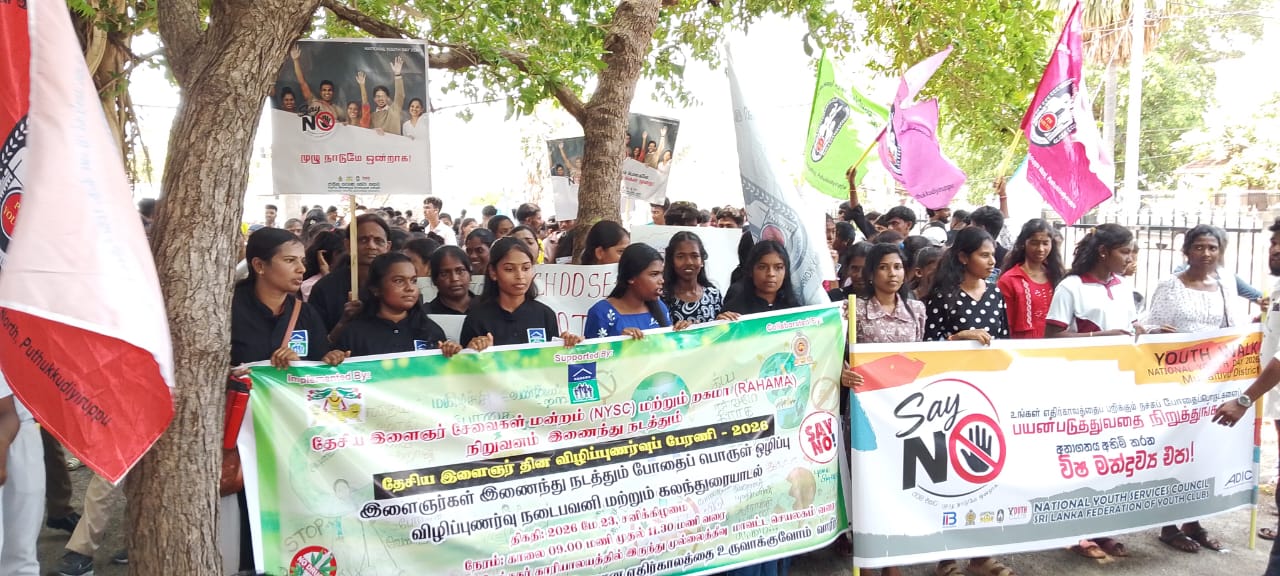
The campaign was jointly organized by the National Youth Services Council (NYSC) alongside Divisional Secretariats, Drug Prevention Units, youth organizations, and civil society partners, with active coordination support from RAHAMA and its boundary partner organizations. This broad coalition ensured that the campaign reached diverse communities while strengthening trust and cooperation across institutions.
Launched under the message “Say No to Alcohol, Drugs and Tobacco”, the initiative responded to the growing need to address substance abuse among youth and vulnerable communities. By bringing prevention messaging into public spaces, the campaign encouraged families, students, and community members to reflect, talk openly, and take action to reduce harm.
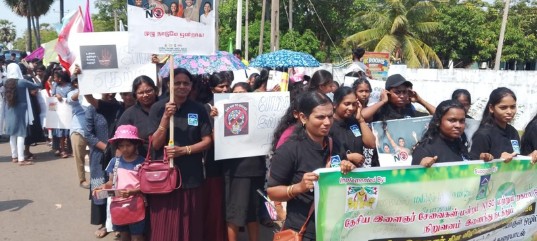
More than a single-day event, the campaign served as a platform for youth-led advocacy—demonstrating that prevention is strongest when communities stand together. From awareness walks to outreach activities, the programme emphasized shared responsibility and the power of informed choices.
Massive Youth Participation Across Two Districts
Mullaitivu District
•
Approximately 300 NYSC youth members, staff, and partner representatives participated.
Route: Mullaitivu Police Superintendent’s Office → Mullaitivu District Secretariat.
Killinochchi District
•
Approximately 250 youth members, students, and volunteers participated.
Route: Kilinochchi District Hospital → General Bus Stand (via Kanagapuram Junction).
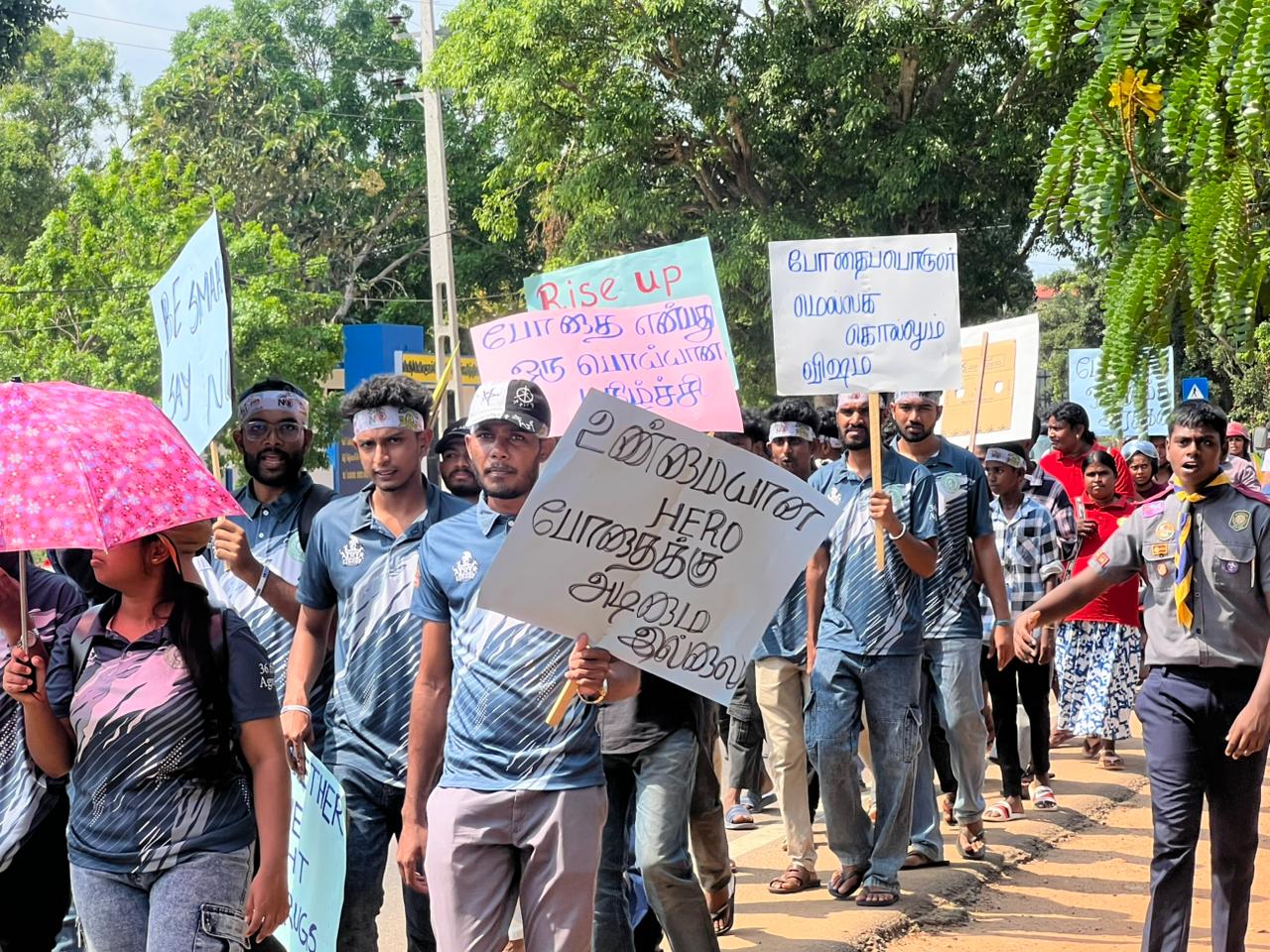
Across both districts, participants carried awareness placards, displayed anti-drug messages, distributed posters and stickers, and engaged the public through outreach conversations and awareness sessions. The visible presence of youth in the streets helped spark community dialogue and reinforced prevention as a shared priority.
Strength in Partnership
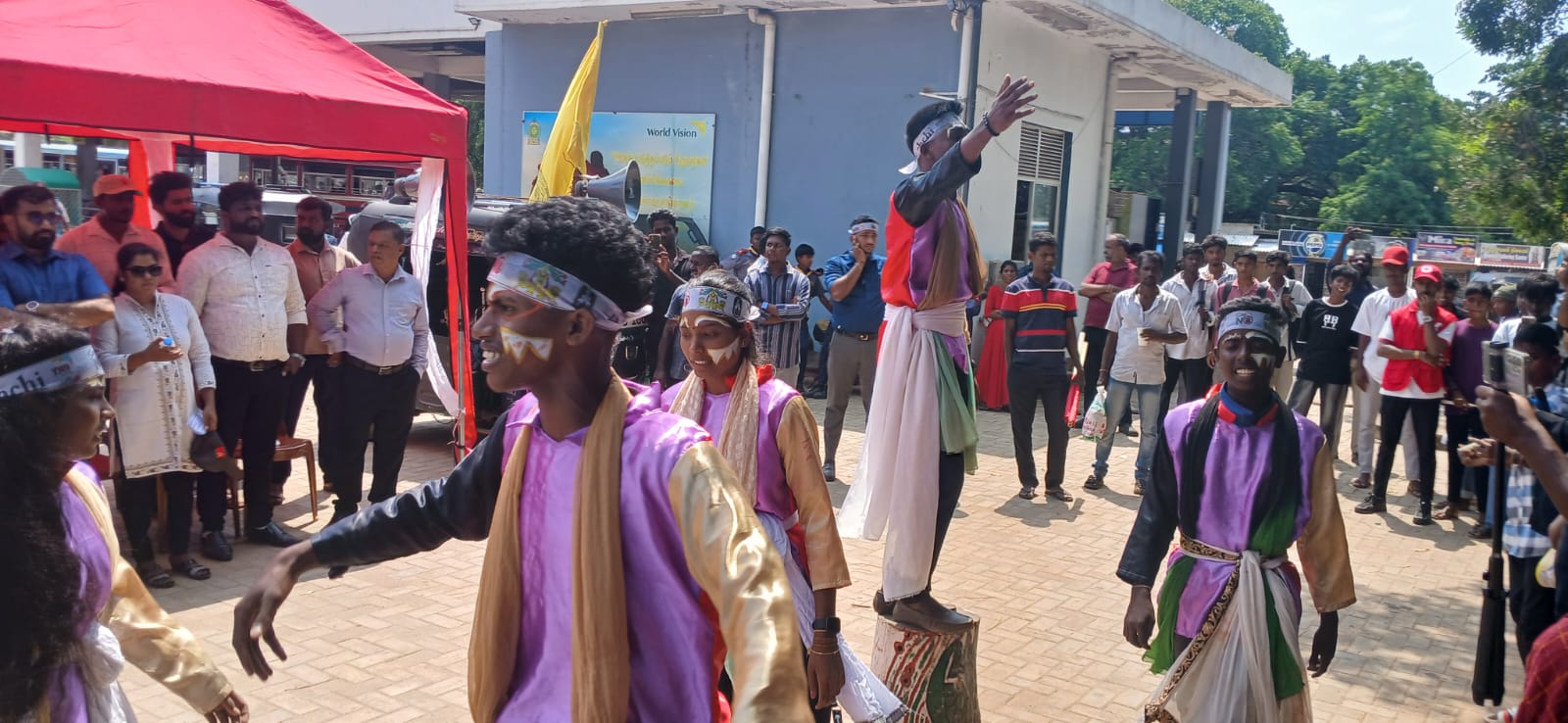
The campaign reflected strong collaboration among government institutions, police and security officials, Drug Prevention Units, youth clubs, and civil society organizations. Key representatives included Government Agents, NYSC Assistant Directors, NYSC Colombo staff, police officials, youth leaders, and partners such as Kalvi Panpaddu Malarchi Koodam (KPMK) and the Oddusuddan Ulaikkuma Mahalir Society—demonstrating how coordinated action can strengthen community protection and prevention.
Youth Advocacy in Action
Engaging Communities, Spreading Awareness
•
•
•
•
•
•
Public awareness walks across key town routes
Poster campaigns and distribution of prevention materials
Sticker-pasting activities to increase visibility in public spaces
Youth engagement programmes supporting peer-to-peer advocacy
Awareness sessions conducted by Drug Prevention Units
Branded T-shirts provided to youth volunteers and partner organizations to strengthen visibility and community recognition
Building a Drug Free Future
Organizers expect the initiative to contribute to long-term positive social change by increasing awareness, encouraging responsible community action, and strengthening sustainable youth networks in both districts. By placing young people at the center of prevention efforts, the campaign reinforced that youth are not only beneficiaries of protection—but leaders of it.
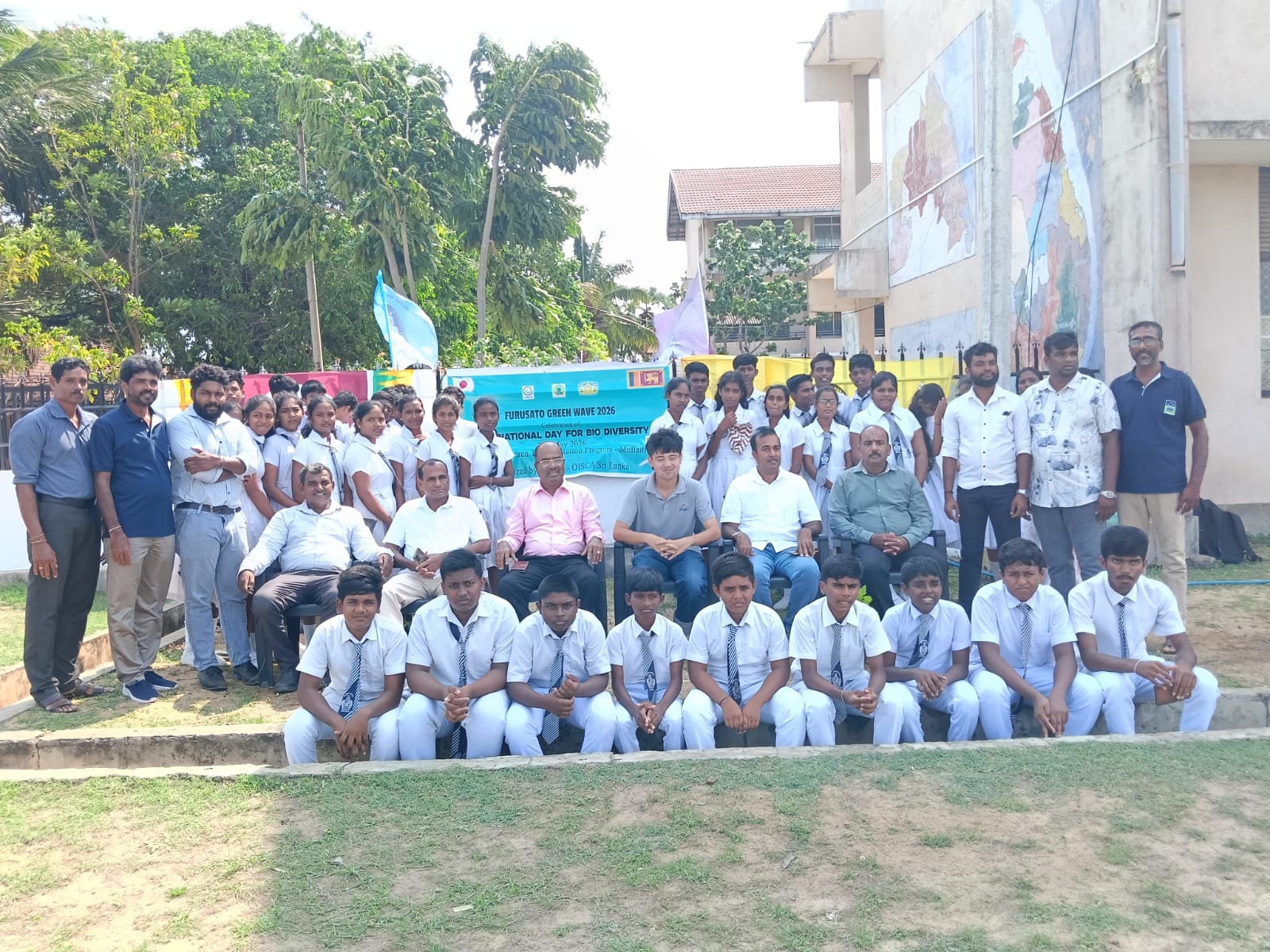
The programme also highlighted the importance of coordinated action between government institutions and civil society, showing how shared planning and local leadership can create meaningful impact. With continued engagement from schools, universities, youth clubs, and community groups, prevention messaging can remain active beyond a single event and become part of everyday community life.
Through the active participation of more than 550+ youth, volunteers, and stakeholders, the campaign delivered a powerful message of unity, responsibility, and hope for Northern Sri Lanka. It demonstrated that when communities stand together—speaking with one voice against alcohol, drugs, and tobacco—safer futures become possible.
When youth, institutions, and communities act together, meaningful change is possible—and future generations can be protected through prevention, courage, and collective responsibility.