NVQ Certificate & Recognition of Prior Learning
The RPL (Recognition of Prior Learning) program is designed to recognize the valuable years of industry experience gained by workers who have not yet received formal certification. Through this initiative, skilled individuals are given the opportunity to have their practical knowledge and workplace competencies formally acknowledged. The program is implemented through a collaborative partnership between RAHAMA Organization, Vavuniya South Divisional Secretariat, and SLITA (Sri Lanka Institute of Textile and Apparel – Ministry of Industry and Entrepreneurship Development). Beneficiaries of the program will receive NVQ Level 4 qualification certificates, helping translate hands-on experience into recognized professional credentials. This initiative reflects a strong commitment to workforce development, inclusion, and social empowerment.
What is Recognition of Prior Learning?
Recognition of Prior Learning is a valuable process that identifies and validates the skills people have developed through years of work experience. It bridges the gap between practical learning and formal qualifications by giving experienced workers the chance to prove their competence through assessment. In doing so, RPL helps ensure that workers receive the credentials they deserve for the knowledge they have already earned on the job. It also supports lifelong learning by opening a pathway toward professional growth and recognition.
Program Implementation: A Three-Phase Approach
The RPL program is being carried out through a clear, structured process to ensure fairness, quality, and effective assessment.
Phase 1 – Technical Consultancy and Guidance
•
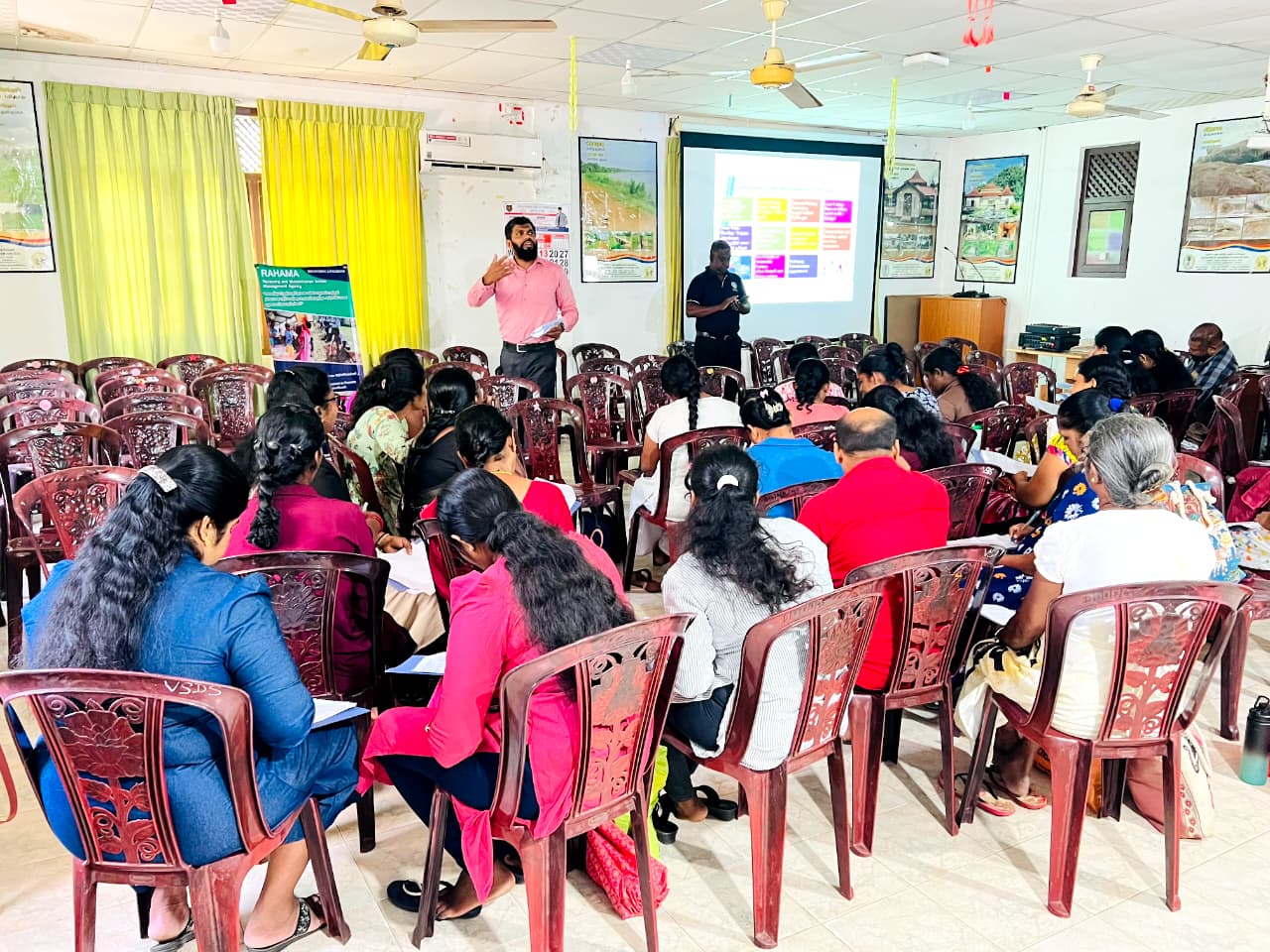
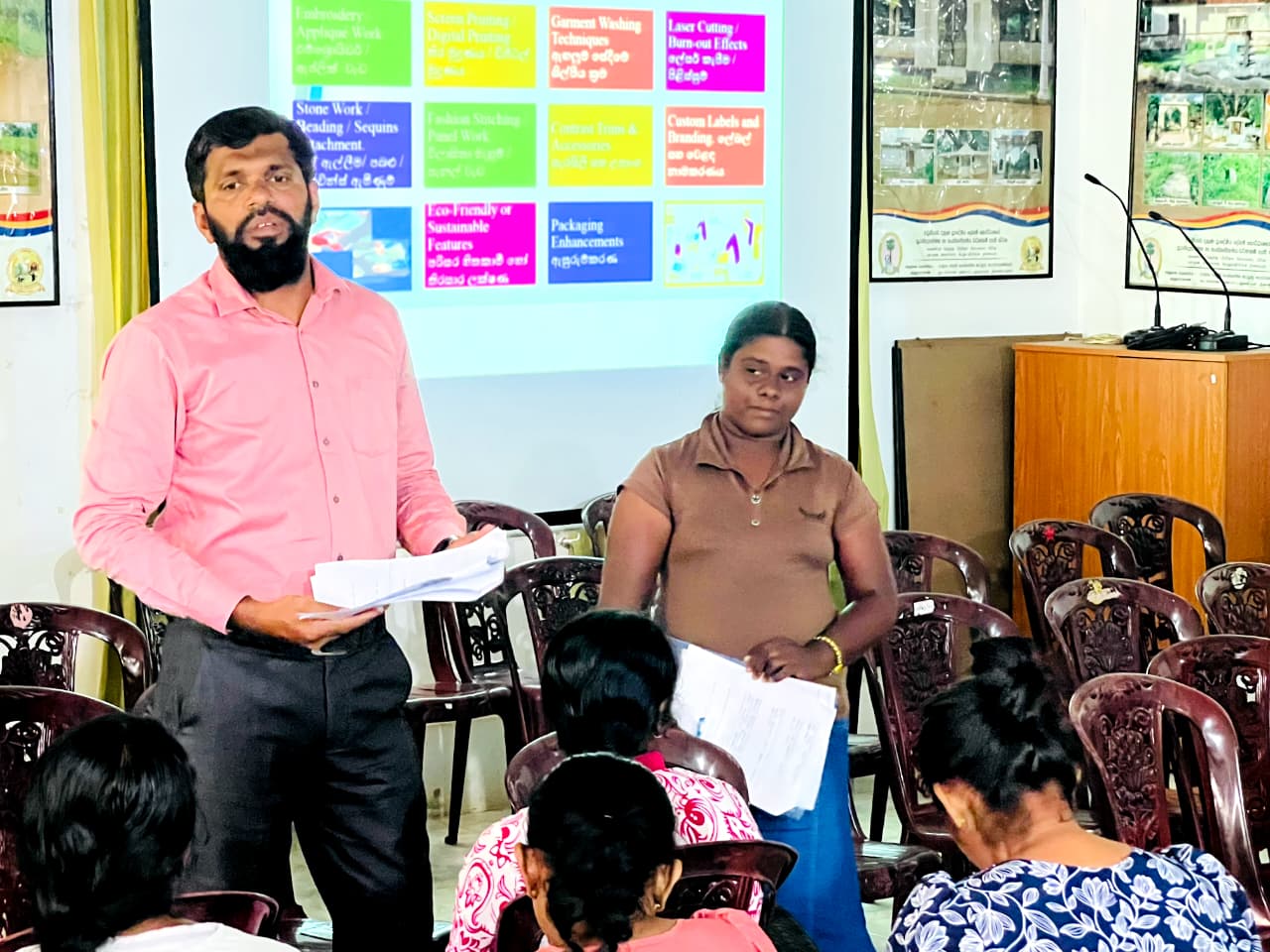
The first phase was held on 31.03.2026 at the Vavuniya South Divisional Secretariat, where 30 participants attended the technical consultancy and guidance session. During this session, SLITA experts provided valuable direction to help participants understand the assessment pathway and prepare confidently for the next stages. The session focused on building awareness of the RPL framework and ensuring that each participant understood the purpose and expectations of the program. It also created an encouraging environment where workers could clarify their doubts and gain practical insight into the certification journey. The guidance strengthened participants’ readiness for assessment and reinforced the importance of recognizing skill through experience. Explanation of the RPL process
•
Assessment criteria and evaluation standards
•
Guidance for practical examination preparation
Phase 2 – Practical Examination
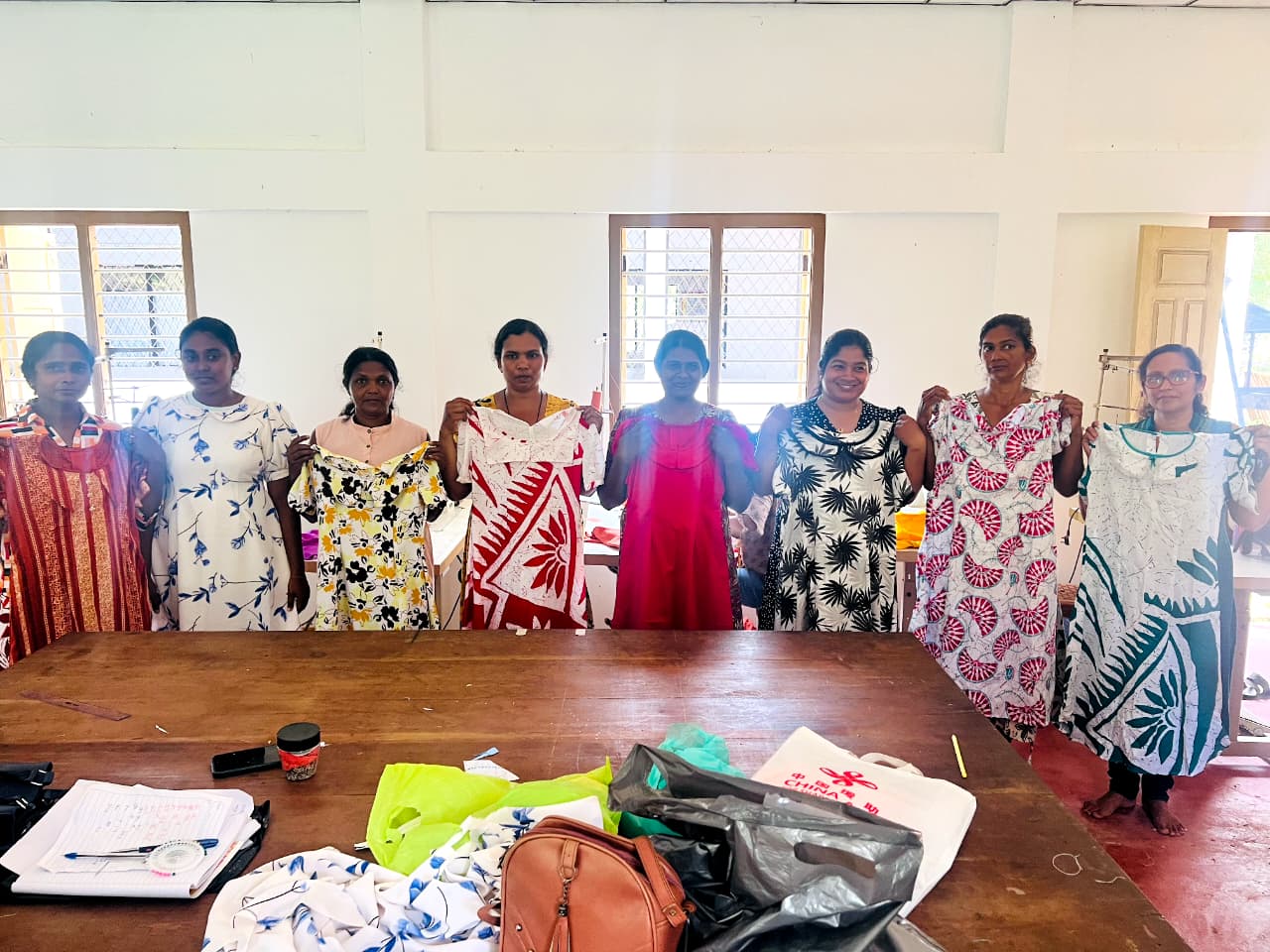
The second phase consists of practical examinations conducted on 06.04.2026, 07.04.2026, and 08.04.2026 to assess participants’ technical competencies. These examinations are designed to evaluate real workplace skills in line with SLITA standards and the requirements of the RPL framework. Through this process, participants are given the opportunity to demonstrate what they can do in practice, not only what they have learned in theory. The assessment ensures that experienced workers are measured fairly against recognized professional benchmarks. This stage plays a critical role in validating competence and moving participants closer to formal certification.
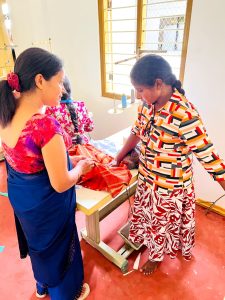
Phase 3 - Certification and Recognition
Successful participants will receive their NVQ Level 4 certificates through SLITA, with recognition presented at BMICH. This achievement marks an important milestone in their professional journey and formally acknowledges the expertise they have built over years of work. The certification not only validates their skills but also strengthens their standing in the labor market. It serves as a proud recognition of perseverance, capability, and commitment to continuous improvement.
Significance and Impact of the Program
The impact of the RPL program extends far beyond certification. It creates meaningful opportunities for workers to gain recognition, improve their livelihoods, and strengthen their future prospects.
- •Formal recognition of experience-based skills — validates knowledge gained through years of practical work
- •Enhanced employment opportunities and professional credibility — supports career growth and trust in worker competence
- •Opportunities to increase income levels — helps skilled workers access better-paying roles and improved economic stability
- • Contribution to social and economic development — strengthens the skilled workforce and supports national progress
RAHAMA continues to play a leadership role in advancing inclusive workforce development by connecting experienced workers with pathways to formal recognition. The collaboration between community organizations, government institutions, and industry experts shows how shared commitment can create lasting impact. By bringing together policy, training, and assessment, this program helps strengthen the future of skilled workers while advancing quality standards in the sector. As initiatives like this grow, they will continue to empower individuals and contribute to broader economic development.
Learn more about programs like this and support initiatives that turn experience into opportunity. Together, we can help build a future where skill, dedication, and experience are fully recognized and rewarded.